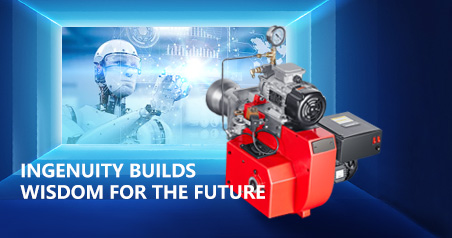
Can you burn used motor oil? The short answer is yes—but only with a certified waste oil burner. Attempting to use standard diesel or heating equipment for waste fuels leads to environmental violations, catastrophic equipment failure, and severe safety hazards. This comprehensive guide covers everything you need to know about waste oil burning safely and profitably.
Executive Summary: What You'll Learn
✅ Equipment requirements: What makes a
waste oil burner different
✅ ROI analysis: How much you can save by burning your own waste oil
✅ Fuel guidelines: What you can and cannot burn
✅ Technical features: Core technologies of Career Burner waste oil burners
Part 1: Understanding Waste Oil Combustion
1.1 What Is Waste Oil?
Waste Oil Definition: Waste oil includes any petroleum-based or synthetic oil contaminated during use, such as:
• Used crankcase motor oils (10W to 50W viscosity)
• Automatic transmission fluid (ATF)
• Hydraulic fluids
• Industrial lubricants
• Gear oils
• Waste cooking oil
Waste Oil Characteristics:
• Higher viscosity than clean diesel
• Contains particulates and debris
• Variable quality depending on source and handling
1.2 Why Dedicated Waste Oil Burners Are Mandatory
The Critical Difference: Standard oil burners are designed for clean, low-viscosity fuels like diesel or heating oil. Waste oil burners are engineered systems built to handle "dirty" fuel with varying thicknesses and impurities.
Attempting to burn waste oil in standard equipment leads to:
❌ Immediate nozzle clogging (due to particulates)
❌ Incomplete combustion (due to viscosity issues)
❌ Equipment damage (due to corrosive contaminants)
❌ Safety hazards (due to unstable combustion)
❌ Environmental violations (due to excessive emissions)
❌ Legal penalties (for non-compliant operation)
Part 2: Waste Oil Burner Technology Explained
2.1 How Waste Oil Burners Work: The 4-Stage Process
A dedicated waste oil burner employs a sophisticated multi-stage preparation cycle to ensure clean, efficient combustion of variable-quality fuels.
Stage 1: Filtration & Delivery
Purpose: Remove heavy particulates and debris before oil reaches the burner.
Typical Filtration System:
• Filter: 120-mesh filter removes particles
• Delivery System: Gravity feed or forced feed
Delivery Method:
• Gravity Feed: Oil tank 1-2 meters above burner, using gravity for oil supply
• Forced Feed: Use oil pump (pressure 0.5-1.0bar) when tank height is less than 1 meter
Stage 2: Preheating
Purpose: Reduce oil viscosity to enable proper atomization.
Technical Requirements:Viscosity Reduction Requirements:
- Room temperature waste oil: High viscosity
- Target temperature for atomization: 60-120°C
- Oil tank preheater power: 380V, 3-4kW (user-supplied)
- Oil hose heating wire: 220V, self-limiting temperature protection
- Surface temperature: 60-80°C
Why This Matters:
Without proper preheating, oil cannot be atomized into fine droplets, leading to:
• Incomplete combustion
• Soot formation
• Carbon buildup in combustion chamber
• Increased emissions
Stage 3: Air Atomization
The Critical Difference: Standard burners use mechanical pressure atomization. Waste oil burners use compressed air atomization.
Air Atomization Process:
1. Preheated oil flows to atomization nozzle
2. Compressed air (working pressure 2-2.5bar) impacts oil stream
3. Oil is "sheared" into fine droplets, creating stable flame
4. Air-fuel mixture is controlled by pressure regulator for power adjustment
Advantages of Air Atomization:
• Handles variable viscosity oils effectively
• Ensures complete combustion
• Reduces soot and carbon buildup
• Improves flame stability
Stage 4: Ignition & Combustion
Ignition System:
• Ignition Transformer: Danfoss EBI
• Electrode Gap: 3-4mm, creates arc to ignite fuel
• Flame Stabilizer: 5-8mm from nozzle, stabilizes flame
Flame Detection System:
• Flame Detector: Satronic MZ 770S, monitors flame presence in real-time
• Automatic Safety Interlock: System shuts down automatically when flame is lost
• Fault Indicator Light: H1 light displays fault status
Combustion Chamber Requirements:
• Refractory lining withstands high temperatures
• Viewing Window for observing flame condition
• Secondary air provides oxygen for complete burnout
Part 3: What Can You Safely Burn?
3.1 Approved Waste Oil Fuels
Career Burner FX series waste oil burners can safely combust:
| Fuel Type | Applicable Conditions | Notes |
| Used Motor Oil (10W-50W) | Preheat to 60-120°C | Most common waste oil |
| Automatic Transmission Fluid | Preheat to 60-80°C | Cleaner than motor oil |
| Hydraulic Fluids | Preheat to 60-80°C | Industrial applications |
| Waste Cooking Oil | Preheat to 60-80°C | Use after filtration |
| Light Diesel | Use directly | Backup fuel |
Fuel Quality Requirements:
• Fuel must be free of water, sediments, and corrosive chemicals
• Water content: <1%
• Sediment content: <0.5%
3.2 Prohibited Fuels: What NOT to Burn
Never attempt to burn:
1. Gasoline, Paint Thinners, Solvents, Antifreeze
◦ Why: Low flash points cause explosion risks
◦ Risk: Catastrophic equipment damage and facility fire
2. Water-Contaminated Oils
◦ Why: Water causes steam explosions and unstable combustion
◦ Risk: Equipment damage and safety hazards
3. Chlorinated Solvents
◦ Why: Produce dioxins and furans (extremely toxic)
◦ Risk: Environmental violations and health hazards
Part 4: ROI Analysis: How Much Can You Save?
4.1 The Financial Benefits of Waste Oil Burning
Transitioning to a dedicated waste oil heating system offers significant economic advantages for industrial facilities.
Benefit 1: Eliminate Fuel Purchases
Cost Comparison (Typical Workshop Example):
| Fuel Type | Consumption | Unit Cost | Annual Cost | Savings vs. Waste Oil |
| Diesel #2 | 15,000 liters | Market Price | Depends on local market | - |
| Waste Oil | 15,000 liters | $0 (internal waste) | $0 | Fuel purchase savings |
Benefit 2: Eliminate Disposal Costs
Typical Disposal Costs:
• Waste oil collection service: Market price
• Environmental fees: According to local regulations
Savings (15,000 liters/year):
Disposal cost eliminated: Waste oil collection fees
Environmental fees eliminated: Environmental fees
TOTAL SAVINGS: Depends on local disposal market price
4.2 Cost Example
Below is a cost structure example. Specific data should be determined based on local actual conditions:
• Waste oil burner cost: Depends on model
• Installation: Depends on site conditions
• Storage tank: Depends on capacity
• Total investment: Sum of above items
Annual Savings (Calculated based on actual conditions):
• Fuel cost savings: Depends on original fuel price and waste oil usage
• Disposal savings: Depends on local disposal fees
Part 5: Choosing Your Waste Oil Burner
5.1 Key Selection Criteria
1. Capacity & Fuel Range
• Power output: Match to your heating requirements
• Fuel type: Ensure compatibility with your waste oil types
• Viscosity range: Confirm ability to handle your oil viscosity
2. Atomization Technology
• Air atomization (recommended): Handles variable oils effectively
3. Control Mode
• Air Pressure Regulation: Adjust power output through air pressure
5.2 Career Burner Waste Oil Solutions
FX Series Waste Oil Burners
Key Features:
• Air atomization: Handles variable viscosity oils
• Integrated preheating: Oil hose heating wire + oil tank preheater
• Advanced control: Microprocessor-based burner management
• Safety certified: Danfoss ignition transformer + Satronic flame detector
FX10A Specifications:
Model:
FX10A Automatic Waste Oil BurnerFuel Consumption: 2.0-10.0 kg/hr
Output Power: 24-119 kW
Heat Output: 20,640-102,340 kcal/h
Motor Power: 90W
Control Mode: Air Pressure Regulation
Working Pressure: 2 bar
Voltage: 220V/50Hz
Net Weight: 14 kg
FX20 Specifications:

Model:
FX20 Automatic Waste Oil BurnerFuel Consumption: 4.0-20.0 kg/hr
Output Power: 24-237 kW
Heat Output: 20,640-204,000 kcal/h
Motor Power: 120W
Control Mode: Air Pressure Regulation
Working Pressure: 2 bar
Voltage: 220V/50Hz
Net Weight: 18 kg
FX30 Specifications:
Model: FX30 Automatic Waste Oil Burner
Output Power: 24-355 kW
Heat Output: 20,640-305,245 kcal/h
Motor Power: 180W
Control Mode: Air Pressure Regulation
Working Pressure: 8 bar
Voltage: 220V/50Hz
Net Weight: 20 kg
Unique Career Burner Advantages:
1. Brand Core Components: Danfoss ignition transformer, Satronic flame detector
2. Air-Assisted Atomization: Ensures stable flame
3. Dual Preheating System: Oil hose heating wire + oil tank preheater
4. Flexible Fuel Supply: Gravity feed or forced feed
5. Global Support: 7-day shipping, 24/7 technical support
Part 6: Installation & Best Practices
6.1 Pre-Installation Checklist
□ Assess waste oil generation volume and characteristics
□ Install adequate storage tanks with secondary containment
□ Ensure proper ventilation in installation area
□ Verify electrical system capacity
□ Plan fuel piping from storage to burner
□ Schedule professional installation
□ Train operators on safe operation
6.2 Key Installation Requirements
Fuel Supply Mode Selection:
• Gravity Feed: Oil tank must be 1-2 meters above burner
• Forced Feed: Use transfer pump (pressure 0.5-1.0bar) when tank height is less than 1 meter
Safety Warnings:
• Fuel in burner tank must fully cover oil tube heating wire, otherwise dry burning may damage heating wire
• Check liquid level before daily startup, ensure level is not below heating wire
• Air compressor output pressure must not exceed 2.5bar
• Do not make large air pressure adjustments during operation! Each adjustment ≤0.2bar
6.3 Operation & Maintenance Best Practices
Daily Operations:
• Monitor combustion parameters (flame appearance, pressure gauge readings)
• Check preheat temperature is within range
• Check fuel line sealing
• Record fuel consumption
Weekly Maintenance:
• Clean fuel filter
• Inspect nozzle for clogs
Monthly Maintenance:
• Remove combustion chamber carbon deposits
• Calibrate electrode gap to 3-4mm
• Inspect heating wire insulation layer
Biannual Maintenance:
• Replace seals
• Comprehensive electrical system inspection
Conclusion: Transform Your Waste from Cost to Profit
Burning your own waste oil with dedicated equipment transforms an expense (disposal costs + fuel purchases) into profit (eliminated costs + fuel savings).
✅ Eliminate fuel purchases
✅ Eliminate disposal costs
✅ Enhanced environmental compliance
✅ Improve facility sustainability
Ready to Start Saving?
Option 2: Learn More
• [View FX Series Waste Oil Burners]About Career Burner
Our Mission: To deliver smart, efficient, and reliable combustion solutions that help industries worldwide achieve their energy efficiency and environmental compliance goals.
Founded: 1995 (20+ years of experience)
Products Delivered: 258,000+ burners worldwide
Waste Oil Burners: FX Series (FX10A/FX20/FX30)
Certifications: ISO 9001:2015
Global Reach: Products shipped to 80+ countries with 7-day delivery promise
Contact Us:
• Email: sales@careerburner.cn
• Phone: +86-13690622890
• Website: https://www.careerburner.com